The EIT Approach
Practical hands-on work is a requirement of many professional engineering societies and accreditation agencies worldwide. Such activities are integral to both Vocational Education and Training (VET) and Higher Education (HE) courses aimed at equipping students with software-based skills and insights to apply practical engineering knowledge to real-world problems upon entering the workforce.
Hands-on exercises, simulation software, remote laboratories, and interactive teamwork constitute essential components of the EIT learning approach.
EIT offers students secure and free access to specialized educational and industrial engineering software and hardware through our remote and virtual laboratories.
Virtual and Remote Labs
Our lab hosting platform, Electromeet, connects you with lab computers in real-time. Once connected, you will have access to a wide range of engineering software and connected hardware, which will be used in practical assessments throughout your course. The labs consist of:
Virtual labs: computers hosting software for a multitude of engineering applications, including modeling and analysis, science education, programming, power network design, construct models, design and drafting, project management, industrial process control, and virtual plant field operations.
Remote labs: computers connected to physical equipment and sensors equivalent to the traditional university engineering lab. These practicals are interactive, controllable, variable, and viewable over webcams in real-time, with examples including; data communication and protocols, scientific instrumentation, physical experimentation, the control and observation of circuits, systems and machinery, and robotic automation.
Adriana Santana Conceicao
On-Campus – Master of Engineering (Electrical Systems)
CRICOS Course Code: 0100462
Work Integrated Learning
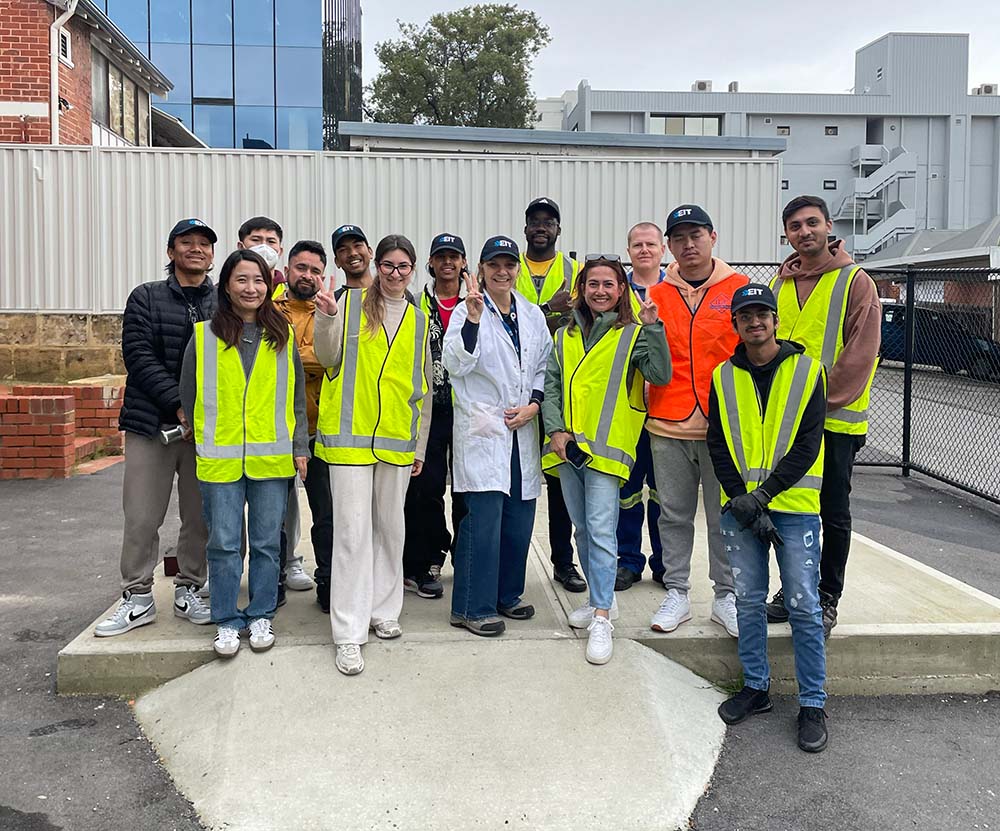
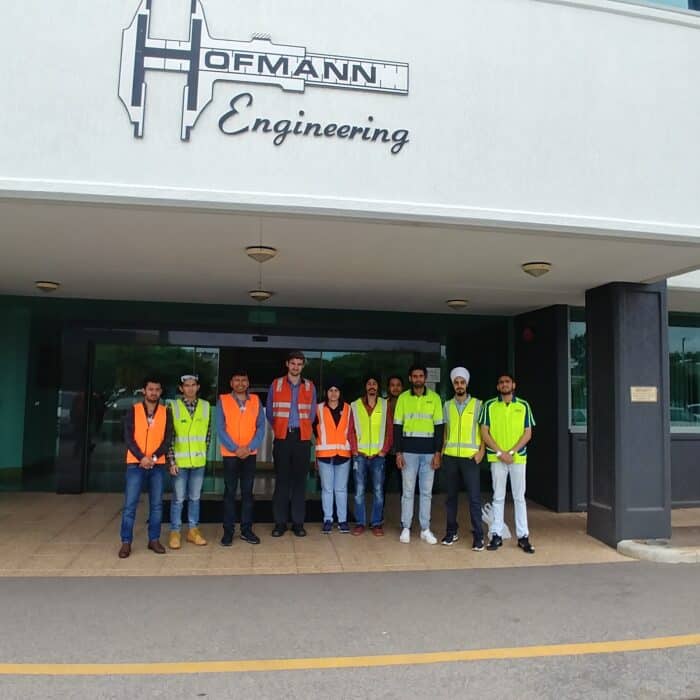
Our bachelor’s and master’s programs require you to undertake 240 hours of paid or unpaid professional work-integrated learning. This can incorporate paid or unpaid internships, site visits, contributing to industry projects, and networking activities.
In undertaking internships, through exposure to engineering supervision, projects, and teamwork, you will gain develop an understanding of work expectations, professionalism, organizational policy, and workplace culture.
We assist our on-campus students with resume development, interview techniques, presentation skills, and making contact with our industry partners.
Find out more about EIT’s Work Integrated Learning Initiative.

Nim Dorji
On-Campus – Bachelor of Science (Civil and Structural Engineering) CRICOS Course Code: 095812M
Hands-On Workshops
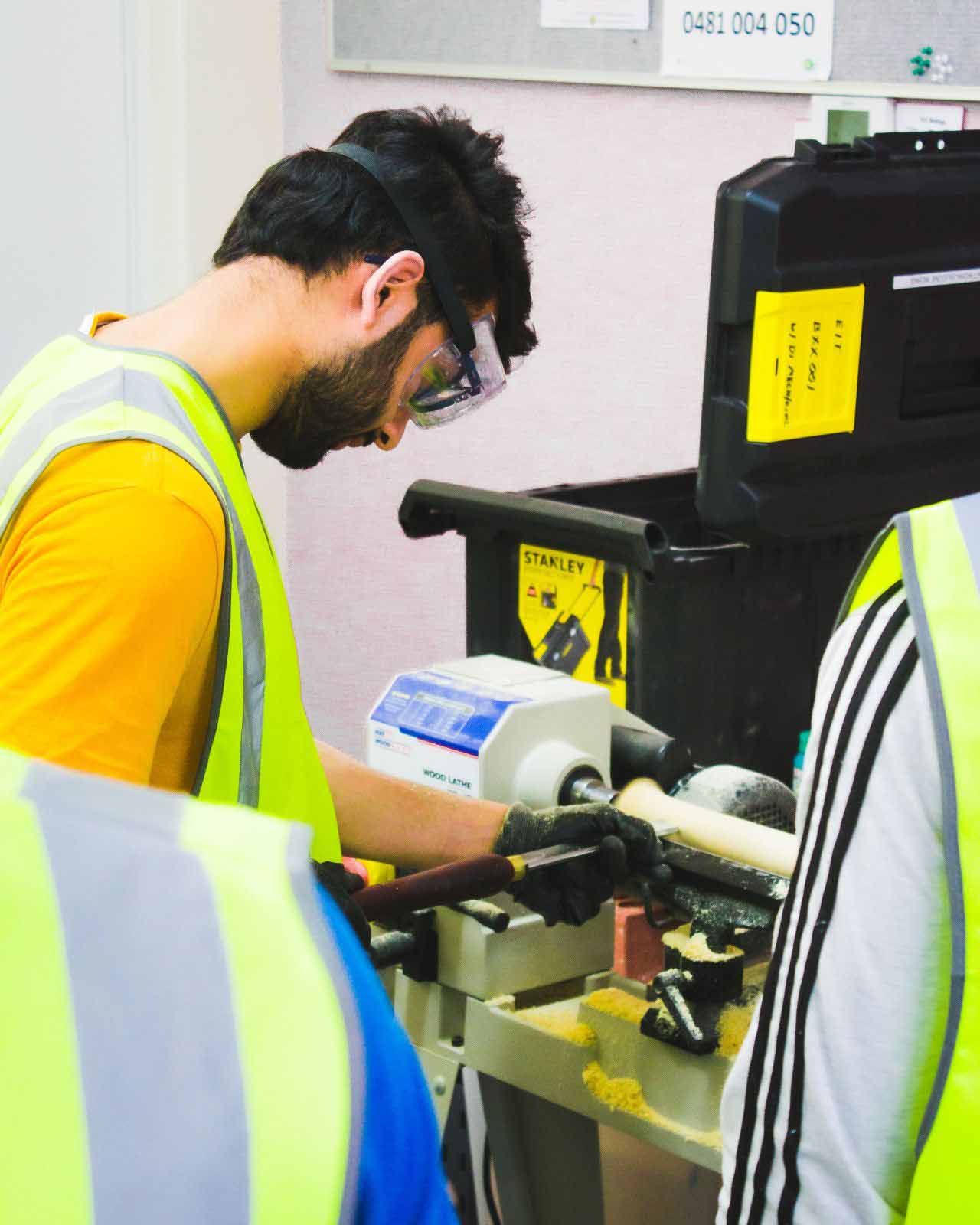
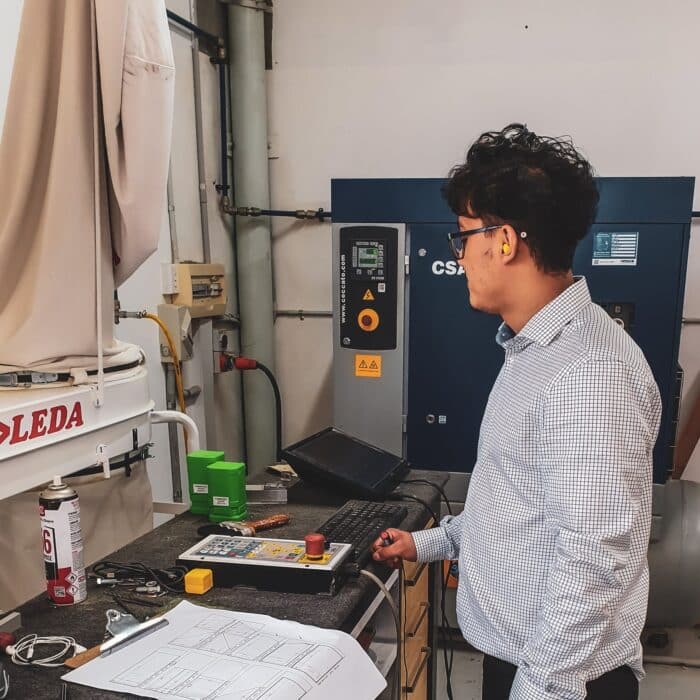
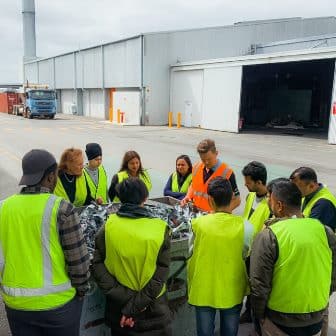
While our remote labs are contextualized within industry and are more comprehensive than most traditional classroom-based programs, hands-on workshops provide you with tacit knowledge and familiarity in the use of discipline-related equipment and materials. They ensure you are competent in using practical tools, workplace safety, physical measurement, experimentation, construction, assembly, and working in an engineering team.
Example of hands-on work activities include:
- Data acquisition
- Data communications
- Designing electronic circuits
- Interfacing with sensors
- Materials testing
- Physics experimentation
- Process control
- Soldering
- Surveying
- Using motors
- Welding
- Wood and metalworking
- Working with concrete
- Working with gears and mechanisms
Martín Lamarca
On-Campus – Master of Engineering (Mechanical) CRICOS Course Code: 0100463
Brand Used in Our Courses
Civil engineering is one of the oldest forms of engineering and involves the design, construction, and maintenance of the built environment. The School of Civil Engineering will equip you with the necessary skills to address the demands of the structural engineering industry and ensuring that the infrastructure around us gets developed, is safe, meets our needs, and improves our quality of life.



The School of Electrical Engineering will equip you with the necessary skills and knowledge to address the demands of the modern power industry. Electrical engineers are responsible for designing new systems, solving problems, testing equipment, and working on a wide range of components and systems, including communications systems, power plants, electrical machines, navigation systems, and electrical systems for automobiles and aircraft.


Due to rapid developments and evolving technology, the world is becoming increasingly automated. The School of Industrial Automation will equip you with skills and expertise in the latest developing technologies in instrumentation, process control, and industrial automation, which are critical in this fast-moving work environment.


Mechanical engineers are responsible for the design, manufacture, and operational processes of anything that moves, from the tiniest, simplest micro-particles to the largest, most complex spacecraft and everything in between. The School of Mechanical Engineering will equip you with the necessary skills to address the demands of the modern mechanical engineering industry.