Work Integrated Learning
Work Integrated Learning (WIL) is an innovative educational approach that blends academic study with real-world, practical experience. It bridges the gap between classroom learning and industry practice, giving students the opportunity to apply their knowledge in authentic work environments.
Why is Work Integrated Learning Important?
WIL ensures students graduate with more than just theoretical knowledge – it equips them with the skills, confidence, and professional experience needed to thrive in the workforce.
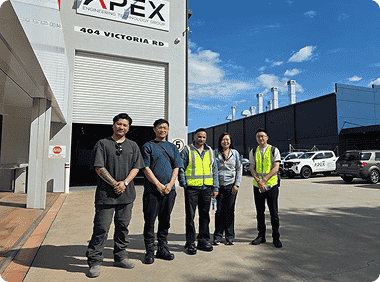
Benefits of Work Integrated Learning

Hands-on Experience
Apply academic learning in real-world scenarios.
Industry Connection
Work alongside professionals and gain valuable insights.
Skill Development
Enhance critical thinking, problem-solving, and technical skills.
Professional Networks
Build connections that can lead to future opportunities.
Career Readiness
Graduate with practical experience that employers value.
Confidence Boost
Gain the confidence to transition smoothly into the workforce.How Work Integrated Learning Happens
- Internships & Placements: Gain experience within a professional organisation.
- Industry Projects: Work on real challenges provided by industry partners.
- Simulations: Engage in practical, scenario-based learning experiences.
How EIT Can Assist
All students will have access to:
- Resume and cover letter templates.
- Individual Resume and Cover Letter Reviews – including feedback and further improvement suggestions.
Work Integrated Learning – On-Campus Students in Australia
At EIT, we are committed to providing authentic and meaningful opportunities for students to gain valuable experience and insight into the Australian engineering industry.
At the Engineering Institute of Technology (EIT), we don’t just teach theory – we help you put it into action!
As part of your on-campus bachelor’s and master’s degree program, you’ll complete 240 hours of WIL, bridging the gap between classroom learning and real-world engineering practice.
Applying for WIL can feel overwhelming, so we’re here to help. Our students receive:
- Resume & Interview Support
- Presentation & Communication Skills Training
- Access to Internship Matching providers (for On campus bachelor’s and master’s degree students in Perth, Melbourne and Brisbane).
Flexible Formats – In-person, virtual, or hybrid options to suit your needs.
We also work with external partners to expand placement opportunities. If you are an employer interested in getting involved, please visit our Industry Partner Homepage for more information.
The best part? Your degree duration doesn’t change!*
- Bachelor’s Degree: Complete in just 3 years full-time
- Master’s Degree: Complete in just 2 years full-time
* Based on a full-time study load
Seeking Recognition For Prior Learning (RPL) or Experience?
If you have relevant work experience in the engineering field, you may be eligible to apply for credit. For more information regarding this process, please click here.
Hear From Our Students
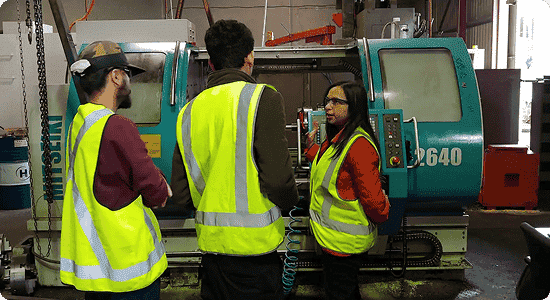
“Throughout the internship, every day I learned new things. The best skills that have been obtained through the experience; communication, how to research and validate information, project management tools, etc. Among all of the activities, the challenging part is to collect the real-time data on the particular requirement of the project.”
Mosam Patel
Bachelor of Science (Mechanical Engineering)
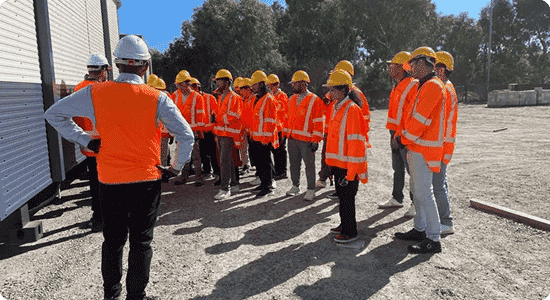
“Overall, my internship has been a valuable opportunity for both professional and personal growth, helping me connect classroom learning with real-world engineering applications and motivating me to further develop my skills in the field.”
Nim Dorji
Bachelor of Science (Civil and Structural Engineering)